
Spanish grammar 101: How to use Spanish reflexive verbs (with quiz)
 Tus Media
¡Hola! ¿Cómo te llamas?
You’ve probably noticed that Spanish reflexive verbs appear frequently in everyday conversations - we use them when talking about daily routines, emotions, and actions involving one’s body.
The expression of reflexive actions in Spanish differs from English, which relies solely on reflexive pronouns as opposed to specific pronouns and verb conjugations. However, once you understand how reflexive pronouns work, you’ll see that the majority of reflexive verbs follow regular conjugation patterns. Another plus is that many reflexive verbs are used in the same way across the entire Spanish-speaking world!

In this guide, we'll take you through everything you need to know about Spanish reflexive structures - don't forget to take our Quick Quiz at the end of the article to test your knowledge!
Content Table
Key takeaways
- Reflexive verbs are used to describe daily routines, reciprocal actions, and emotional states
- Reflexive verbs in Spanish use reflexive pronouns as opposed to object pronouns
- Spanish uses the definite article rather than possessive adjectives with reflexive verbs
- The meanings of individual reflexive verbs sometimes vary between Spanish-speaking countries
- Taking classes with a private Spanish tutor is of the most effective ways to learn reflexive verbs quickly and accurately
Why are Spanish reflexive verbs challenging for English speakers?
Reflexive verbs in Spanish can feel unfamiliar to English-speaking learners at first. English uses object pronouns e.g., we drive ourselves he hurt himself, she helps herself.
In some cases, no reflexive pronoun is used at all e.g. I shower, they shave.
In Spanish however, we place a reflexive pronoun (me, te, se, nos, os, se) before the conjugated verb, or we attach one to an infinitive form or affirmative command.
Another difference is that Spanish uses the definite article rather than possessive adjectives for body parts:
❌ Me lavo mis manos.
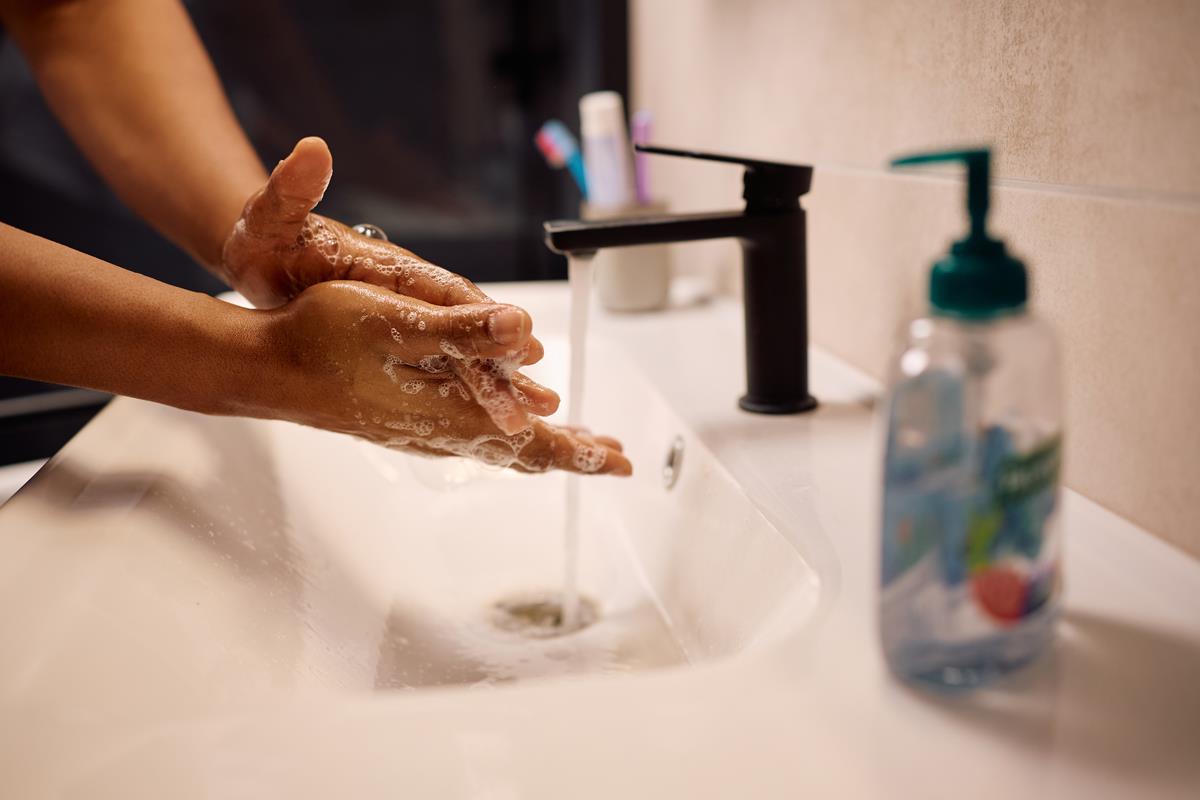
✔️ Me lavo las manos
All of the above means that students must be aware of:
-
the subject
-
the reflexive action
-
the agreement between the subject and the pronoun
-
changing meanings between reflexive and non-reflexive versions
-
the definite article gender
Reflexive verbs are a building block for strong language skills - they help you express actions that the same person performs on themselves, emotional changes (ponerse triste), and everyday habits (cepillarse los dientes, acostarse, levantarse). Understanding them is a key step to speaking natural, fluent Spanish.
What are Spanish reflexive verbs?
A reflexive verb describes an action in which the subject and the object refer to the same person. In other words, the action 'reflects back' onto the subject.
Formula
Reflexive pronoun + conjugated verb
Me/te/se/nos/os/se + (verb)
Take a look at these examples:
-
Me levanto temprano - I get up early.
-
Te duchas por la mañana - You shower in the morning.
-
Ella se lava la cara - She washes her face.
-
Nos acostamos tarde - We go to bed late.
- Me llamo Marta - My name is Marta (Literally: 'I call myself Marta').
You can see how the reflexive pronoun used describes the person that the verb impacts upon.
How to conjugate reflexive verbs in Spanish
The process of conjugating reflexive verbs in Spanish follows the same general rules as regular verbs, with the addition of the reflexive pronoun. As demonstrated above, the reflexive pronoun reflects the subject of the verb, indicating that the subject is performing the action on themselves.
Let's run through the steps to conjugate Spanish reflexive verbs:
-
Start with the infinitive form
A reflexive verb in its basic form will end in -se (e.g., levantarse, ducharse, vestirse). -
Remove the -se ending
To conjugate a verb, first remove the -se from the infinitive form. This leaves you with the base verb, which will follow regular conjugation patterns depending on whether it's an -ar, -er, or -ir verb. -
Add the correct reflexive pronoun
The reflexive pronoun must agree with the subject of the sentence. It is placed before the conjugated verb to describe a singular action, and can also be attached to the infinitive form if used in a sentence with multiple verbs.
Here’s you can see a list of reflexive pronouns for each subject:
|
Subject |
Reflexive Pronoun |
|---|---|
|
Yo |
me |
|
Tú |
te |
|
Él/Ella/Usted |
se |
|
Nosotros/Nosotras |
nos |
|
Vosotros/Vosotras |
os |
|
Ellos/Ellas/Ustedes |
se |
To conjugate reflexive verbs, remove the -se from the infinitive verb, add the appropriate reflexive pronoun, and then conjugate the verb according to the tense.
For example:
-
Me levanto — I get up
-
Te ducharás — You will shower
-
Se acostó — He/she went to bed
If there are two verbs, the reflexive pronoun can be placed before the conjugated verb or attached to the infinitive:
-
Voy a ponerme el abrigo — I’m going put my coat on
-
Me voy a poner el abrigo — I’m going put my coat on
Irregular reflexive verbs
Some reflexive verbs are irregular and don't follow standard conjugation patterns. Some common irregular reflexive verbs in Spanish include:
-
Vestirse (to get dressed)
Yo me visto (I get dressed)
Tú te vistes (You get dressed) -
Despertarse (to wake up)
Yo me despierto (I wake up)
Nosotros nos despertamos (We wake up) -
Sentirse (to feel)
Yo me siento (I feel)
Ellos se sienten (They feel) -
Divertirse (to have fun)
Me divierto (I have fun)
Se divierte (He/she has fun) -
Sentarse (to sit down)
Me siento (I sit down)
Nos sentamos (We sit down) -
Despedirse (to say goodbye)
Me despido (I say goodbye)
Te despides (You say goodbye)
Make a list of the Spanish irregular verbs that you find most difficult - taking just five minutes each day to review them will help you become familiar with their unique conjugations.
Now let's go through the reflexive verbs that come naturally to English-speaking learners!
The easiest reflexive verbs
These reflexive verbs follow regular conjugation patterns and appear in predictable, everyday contexts such as morning routines, body care and daily habits.
Get up, wash, shower, brush
These are some of the most common reflexive verbs:
|
Infinitive (reflexive) |
Meaning |
Present tense example |
English translation |
|---|---|---|---|
|
levantarse |
to get up |
Me levanto temprano |
I get up early |
|
lavarse |
to wash oneself |
Ella se lava la cara |
She washes her face |
|
ducharse |
to shower |
Te duchas antes de salir |
You take a shower before going out |
|
cepillarse |
to brush (one’s teeth) |
Nos cepillamos los dientes |
We brush our teeth |
Why these verbs are easy:
In these instances the idea of a reflexive action feels quite natural, as you already say brush your teeth, wash your face in English. Getting out of bed and showering are also actions that are clearly performed 'towards' yourself in this case.
Agreement rule:
Remember that if a verb is reflexive, the pronoun must match the subject:
-
yo → me
-
tú → te
-
él/ella/usted → se
-
nosotros → nos
-
vosotros → os
-
ellos/ellas/ustedes → se
Reflexive verbs that are more challenging
These verbs involve stem changes, irregular reflexive verbs, and cases where the meaning changes between the reflexive and non-reflexive form.
Stem-changing reflexive verbs
Like other Spanish verbs, reflexive verbs can include stem changes:
|
Infinitive |
Type |
Example |
English translation |
|---|---|---|---|
|
acostarse |
o → ue |
Me acuesto a las once |
I go to bed at 11 o'clock |
|
vestirse |
e → i |
Ella se viste |
She gets dressed |
|
despertarse |
e → ie |
Se despiertan temprano |
They wake up early |
|
sentirse |
e → ie |
Me siento mal |
I feel bad (emotion/physical illness) |
Notice that the reflexive pronoun stays the same regardless of stem changes.
Verbs that change meaning in reflexive form
Some verbs take on different meanings when the action reflects back on the subject.
|
Verb |
Non-reflexive meaning |
Reflexive example |
English translation |
|---|---|---|---|
|
poner |
to put |
ponerse triste |
to become sad |
|
ir |
to go |
irse |
to leave/go away |
|
dormir |
to sleep |
dormirse |
to fall asleep |
|
encontrar |
to find |
encontrarse |
to find oneself/feel |
|
tomar |
to take (an item, transport) |
tomarse |
to take (medication, a drink) |
Example sentences
-
Me pongo enfermo en invierno. — I get ill in winter.
-
Se va a las ocho. — He leaves at eight.
-
Me duermo rápido. — I fall asleep quickly.
-
Se encuentran cansados. — They feel tired.
Regional differences across the Spanish-speaking world
Reflexive verbs often keep the same forms regardless of global location, but meanings can shift depending on the country.
-
In Spain, irse commonly means 'to leave immediately'.
-
In Mexico, echarse can mean 'to lie down', while in other regions it implies 'to throw oneself'!
Each Spanish-speaking country uses reflexive verbs in slightly different ways, but the reflexive structure stays the same.

Complex reflexive verbs
These reflexive verbs present more of a reto. They are used to denote abstract ideas, subtle meaning differences, or verbs that are only reflexive, also known as pronominal verbs.
Abstract ideas
We use reflexive verbs when describing emotional states within ourselves and other people:
|
Infinitive (reflexive) |
Meaning |
Example |
English translation |
|---|---|---|---|
|
alegrarse |
to be glad |
Me alegro de que hayas venido hoy |
I'm glad you came today |
|
preocuparse |
to worry |
Se preocupaba mucho por su hija |
She was worrying a lot about her daughter |
|
aburrirse |
to be bored |
¿Te aburriste viendo la película? |
Did you get bored watching the film? |
|
enfadarse |
to be angry |
Si siguen haciendo tanto ruido me voy a enfadar |
If they keep making so much noise, I'm going to get angry |
|
asustarse |
to be scared |
¡No te asustes! |
Don't be scared! |
Pure pronominal verbs
These verbs only exist in reflexive form.
|
Verb |
Meaning |
Example |
English translation |
|---|---|---|---|
|
darse cuenta de |
to realise |
Me di cuenta de que iba a llover |
I realised that it was going to rain |
|
quejarse |
to complain |
A él lo único que le gusta es quejarse |
They only thing he enjoys is complaining |
|
arrepentirse |
to regret |
Nos arrepentimos de no haber salido con todos los demás anoche |
We regret not going out with everyone else last night |
|
atreverse a |
to dare |
Se atreve a hacer senderismo en las montañas incluso cuando hay tormentas |
She dares to go hiking in the mountains even when there are storms |
Reciprocal actions
These verbs describe actions that people do to each other. They use the same reflexive pronouns:
-
Nos vemos mañana - We’ll see each other tomorrow.
-
Se abrazaron - They hugged each other.
Common mistakes when using Spanish reflexive verbs
The are a few errors that English speakers often commit as they learn how to use reflexive forms in Spanish:
Forgetting to use the reflexive pronoun
❌ Yo levanto temprano.
✔️ Me levanto temprano.
Using possessive adjectives with body parts
❌ Me lavo mis manos.
✔️ Me lavo las manos.
Forgetting to attach pronouns to infinitives
❌ Antes de salir, necesito lavar
✔️ Antes de salir, necesito lavarme.
Confusing reflexive and non-reflexive forms
❌ Él se duele. (should be non-reflexive)
✔️ Él tiene dolor.
✔️ Le duele la cabeza.
Conjugating irregular verbs incorrectly
❌ Él se dorme.
✔️ Él se duerme.

Memorising Spanish reflexive verbs
There are many simple ways to commit reflexive verbs to memory. Some of the most effective methods include:
-
Write out the actions that you take as part of your daily routine in Spanish:
e.g. Me levanto, me cepillo los dientes, me ducho, me visto, me maquillo, me quedo con la familia, me tomo un café, me lavo la cara, me acuesto, etc. -
Practice speaking Spanish with friends, and describe situations in which you felt different emotions to memorise verbs like alegrarse, ponerse triste, asustarse, and aburrirse.
-
Using personalised examples is a fantastic way to improve your recall of Spanish grammar concepts, as you can draw inspiration from your own lived experiences. Work with a private Spanish tutor to streamline your learning process and keep your progress on track.
Now take our Quick Quiz to see how much you've learnt! You'll find the correct answers at the end of the test.
FindTutors Quick Quiz: Spanish reflexive verbs
1. Which option shows a correctly conjugated reflexive verb?
a) Yo se despierto
b) Me despierto
c) Yo despierto me
2. What does ponerse triste mean?
a) to put something
b) to become sad
c) to feel happy
3. Choose the correct sentence:
a) Me lavo mis manos
b) Me lavo las manos
c) Lavo me las manos
4. Which is the reflexive pronoun for “tú”?
a) me
b) te
c) se
5. What does darse cuenta de mean?
a) to remember
b) to realise
c) to get dressed
6. Where is the reflexive pronoun placed in: “Antes de salir, necesito ___”?
a) peinarme
b) me peinar
c) peinar me
7. Which verb is reflexive?
a) poner
b) ponerse
c) pon
8. What does acostarse mean?
a) to wake up
b) to go to bed
c) to get dressed
9. Which sentence shows a reciprocal action?
a) Me encuentro bien.
b) Se duchan por la mañana.
c) Nos vemos mañana.
10. Which form is correct?
a) Ella se lava la cara
b) Ella lava se la cara
c) Ella lava la cara se
✅Answer Key:
1. Which option shows a correctly conjugated reflexive verb?
➡️ b) Me despierto
(Me is the correct reflexive pronoun for yo, and the verb despierto is correctly conjugated in the present tense.)
2. What does ponerse triste mean?
➡️ b) to become sad
(Ponerse is used to express a change in state, such as an emotional state like sadness.)
3. Choose the correct sentence:
➡️ b) Me lavo las manos
(In Spanish, reflexive verbs use the definite article when referring to body parts, not possessive adjectives.)
4. Which is the reflexive pronoun for “tú”?
➡️ b) te
(Te is the correct reflexive pronoun for tú.)
5. What does darse cuenta de mean?
➡️ b) to realise
(Darse cuenta de is a phrase that means 'to realise' or to 'notice'.)
6. Where is the reflexive pronoun placed in: “Antes de salir, necesito ___”?
➡️ a) peinarme
(The reflexive pronoun me is attached to the infinitive verb peinar, forming peinarme.)
7. Which verb is reflexive?
➡️ b) ponerse
(Ponerse is reflexive, meaning 'to put on' or 'to become', depending on context.)
8. What does acostarse mean?
➡️ b) to go to bed
(Acostarse is a reflexive verb meaning 'to go to bed' or 'to lie down'.)
9. Which sentence shows a reciprocal action?
➡️ c) Nos vemos mañana
(Nos vemos means 'we see each other', which is a reciprocal action between two or more people.)
10. Which form is correct?
➡️ a) Ella se lava la cara
(The reflexive pronoun se is correctly used with lava for ella.)
